What 'public health' actually means at 2 am in a district hospital
Public health is not a slogan. It is a specific person, in a specific hospital, deciding whether to wake the on-call surgeon.
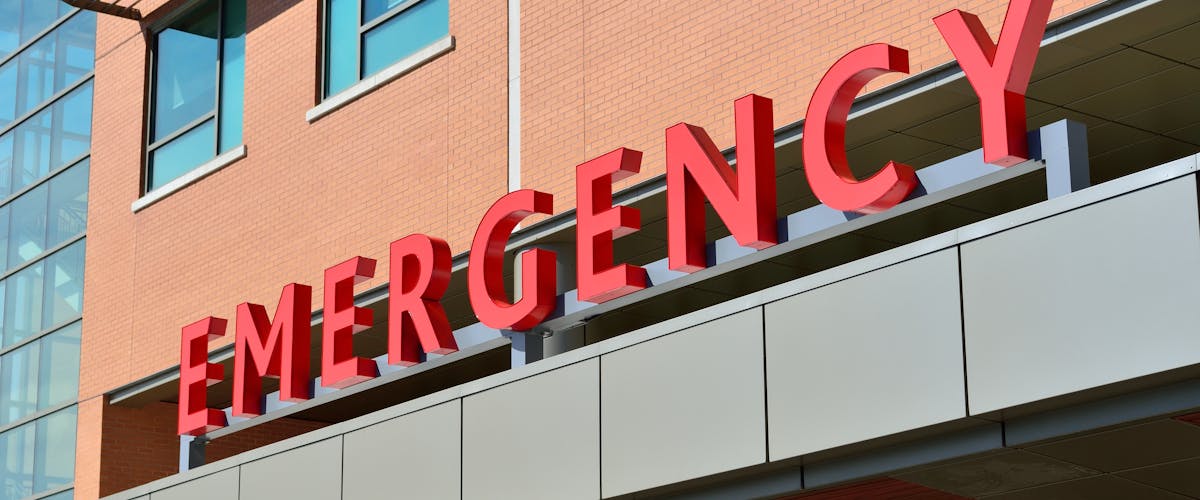
Public health is one of those phrases that gets used so often it stops meaning anything. Health ministers say it. NGOs say it. International agencies say it. By the time it reaches the patient, it has been worn smooth by repetition into something that sounds important and means nothing.
Let me tell you what public health actually means, in the version I have spent thirty years inside.
Public health is the duty nurse at a district hospital, at two in the morning, deciding whether to wake the on-call surgeon for a patient who has just arrived with abdominal pain. If she wakes him for every case, she will lose his goodwill, and the next genuine emergency will arrive too late. If she does not wake him for this one, she may be wrong. The decision is hers. She is twenty-six years old. She has been on shift for eleven hours.
Public health is whether the surgeon, when he arrives, finds the operating theatre prepared, the anaesthetist available, the blood bank stocked, the lights working, the autoclave functional, the gloves the right size. Each of these is a small thing. The surgery cannot happen without all of them.
Public health is the lab technician who comes in on his day off because the regular technician is on leave and someone has to run the cross-match.
Public health is the pharmacist who has to tell the patient’s family that the antibiotic the surgeon prescribed is out of stock, and that they will need to buy it from the chemist outside the hospital, where the price will be four times what the government pays.
Public health is, in the end, an arithmetic of small failures and small saves. It is not a slogan. It is not a scheme. It is a specific human being, in a specific hospital, deciding whether to do the next thing well.
What we owe that human being is the system that makes doing the next thing well possible. Not heroic. Not exceptional. Just possible.
When we talk about reform — and I will talk about reform on this site, often — this is what I mean. Not announcements. Not photo opportunities. The duty nurse, the surgeon, the technician, the pharmacist. What they need to do their work well, tonight, at two in the morning, when no one is watching.
Everything else is conversation. The work is what happens when the conversation ends.