The path here.
Six decades, ten chapters, one continuing decision: to be useful where being useful was hardest.
1962 — A village in Odisha
Roots
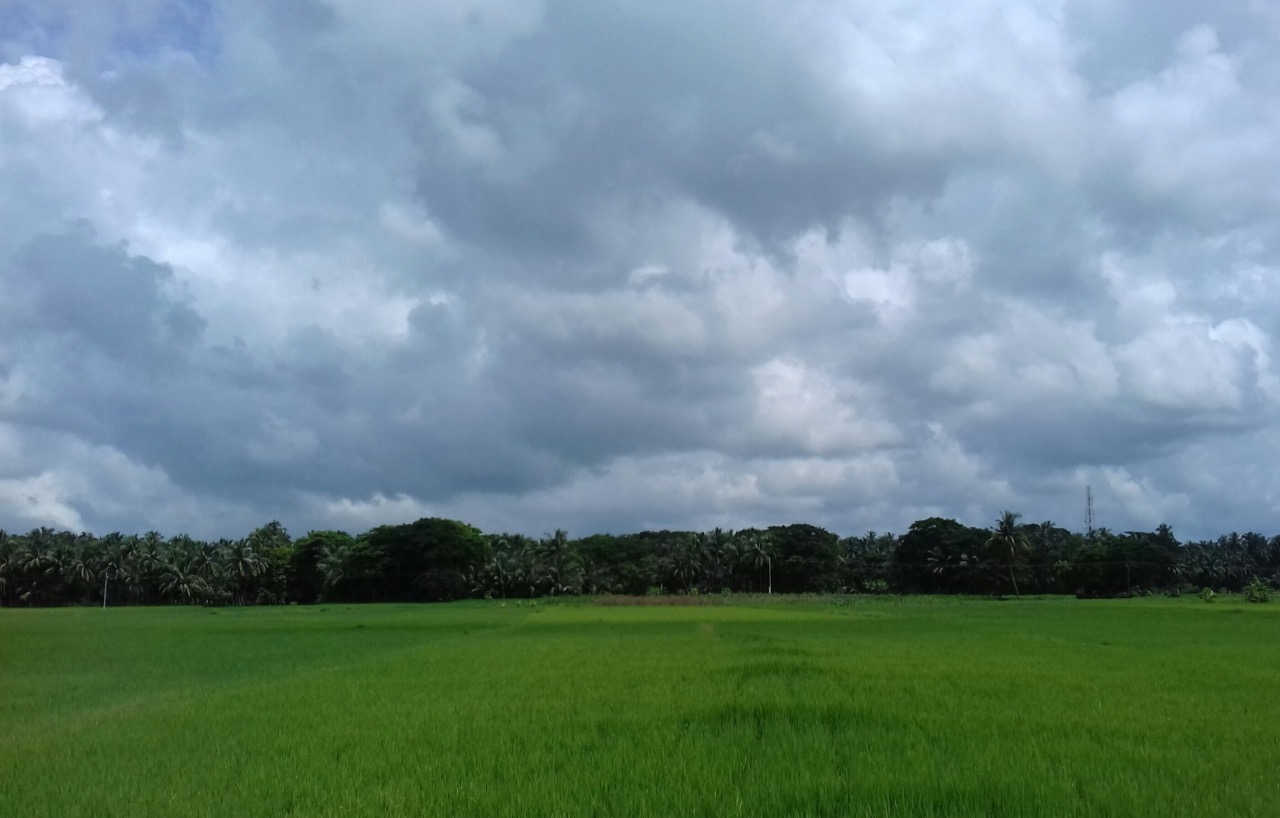
I was born in a village whose name will mean nothing to most people who read this site, and that is precisely the point. The first hospital I ever saw was a government health centre two villages away, reached by bullock cart when there was money for the cart and on foot when there was not. It had two rooms, one doctor on the days the doctor came, and a small wooden cabinet of medicines that my mother regarded with the reverence other people reserve for temples.
A child who lived past five in our village had a story behind it. Often the story involved a doctor reached in time.
1968–1980
Schooling
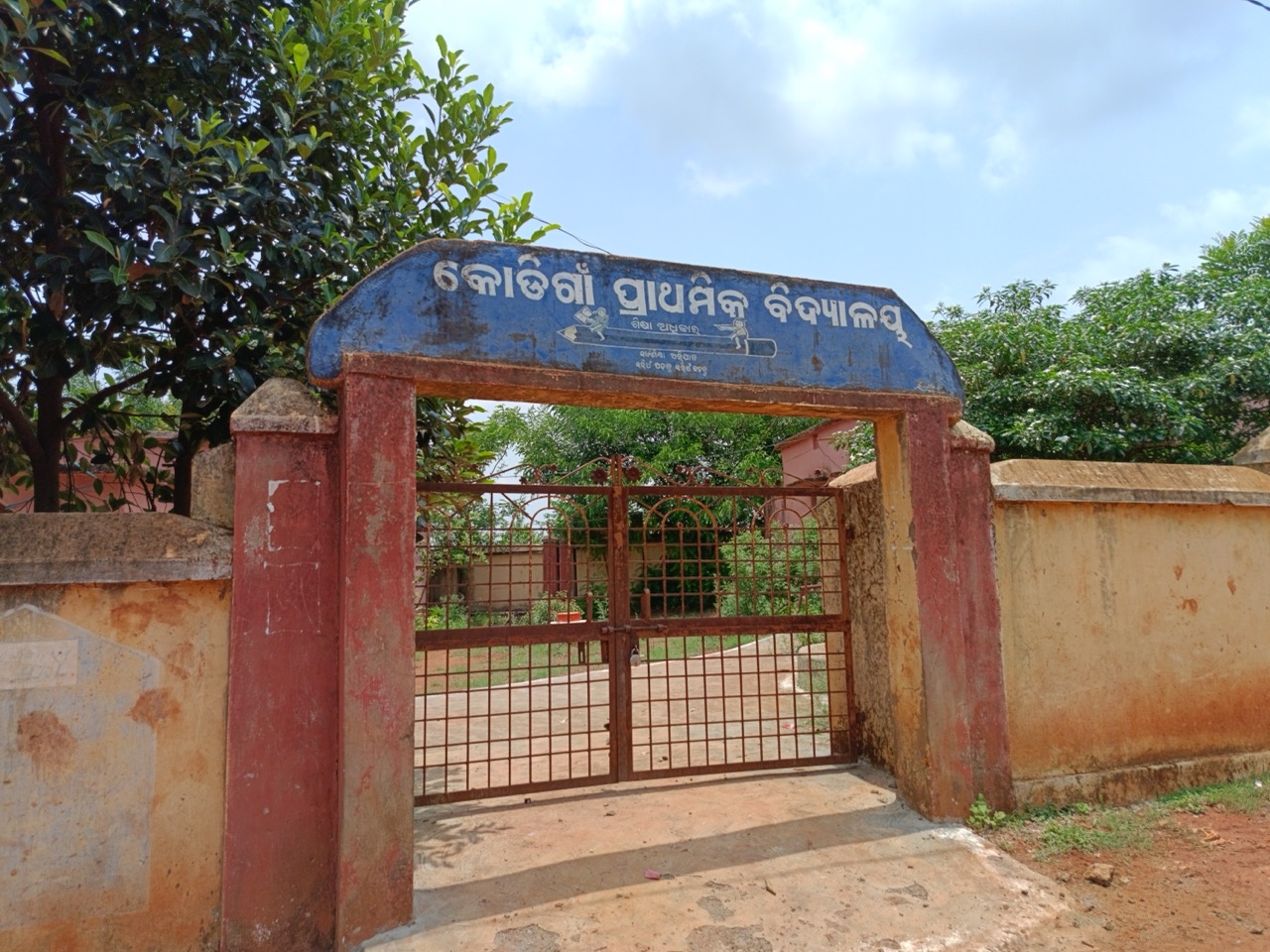
School was a building with a corrugated roof and a teacher who held five grades in a single room. By the time I finished higher secondary, I had decided I wanted to be a doctor. The reasons were the obvious ones — the bullock cart, the two-room health centre, the calculations my mother made about which child got which kind of medicine.
1981–1986
Medical College
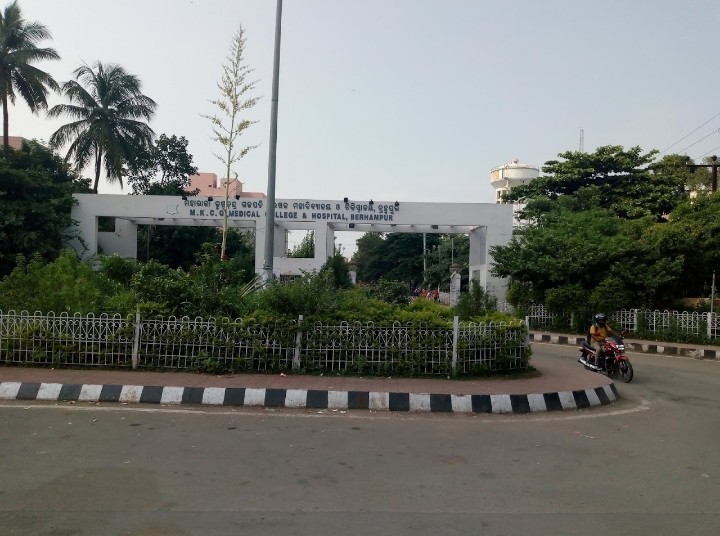
Medical college teaches you, very quickly, that the body is not the only thing under examination. Your accent is. Your shoes are. Your assumptions about how a junior doctor speaks to a senior doctor are. I learnt the medicine. I also learnt that the people who would later staff Odisha’s public health system overwhelmingly came from backgrounds like mine — and that the people who would later leave that system for private hospitals overwhelmingly came from backgrounds that were not.
I learnt anatomy and I learnt class. I learnt one of them by choice.
1991
The First Posting
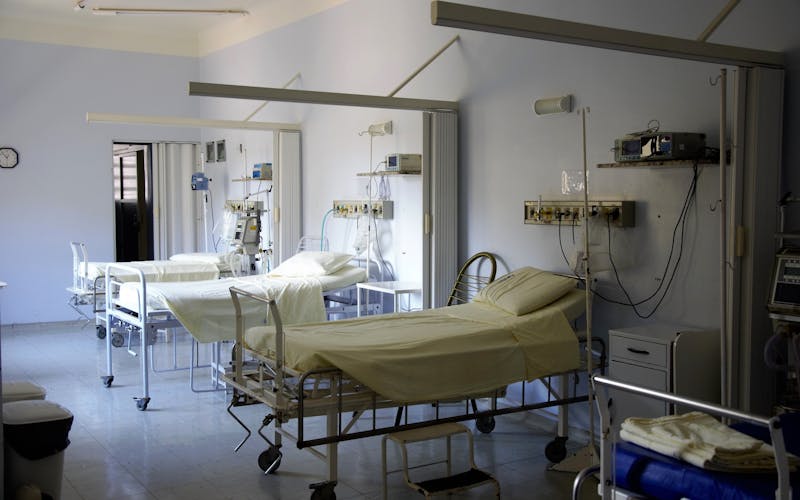
My first posting was in a district most people in Bhubaneswar would have to look up on a map. The hospital had thirty beds, two doctors counting me, and a generator that worked on the days the diesel had been delivered. I performed the first emergency surgery of my career under a tube light powered by a car battery, with the patient’s brother holding the second torch. The patient lived.
1991–2008
Tribal & Rural Postings
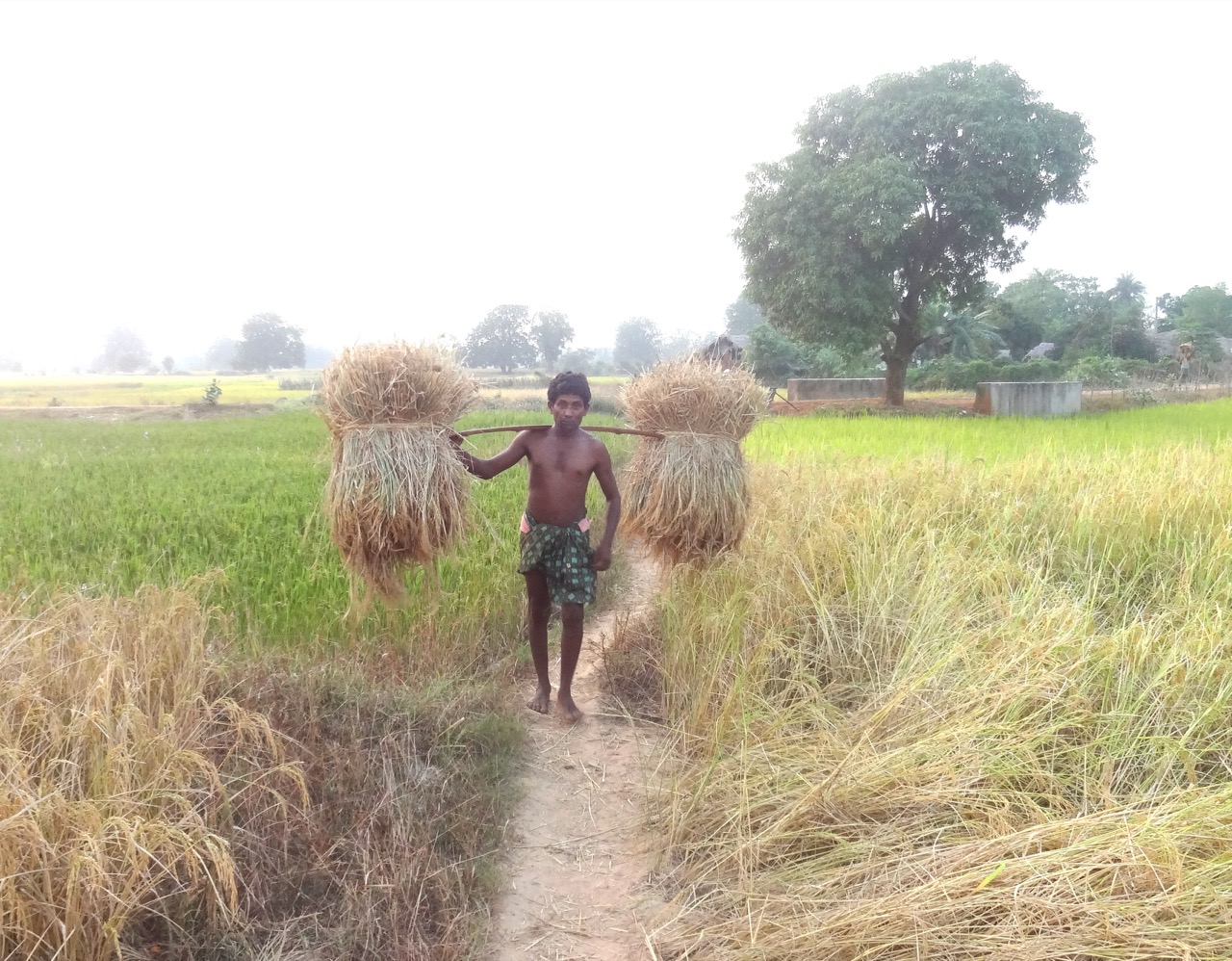
Over the next seventeen years I was posted to a number of district hospitals across Odisha — places where the road ends and you reach the hospital by a path you have to ask directions for. The shortages were not philosophical; they were specific. I saw colleagues leave for private practice because they could not see how to keep doing the work. I chose, for reasons I am still unpacking, to stay.
I have watched the public health system bend, and I have watched it hold. I know where it bends.
1994 onwards
Marriage & Family
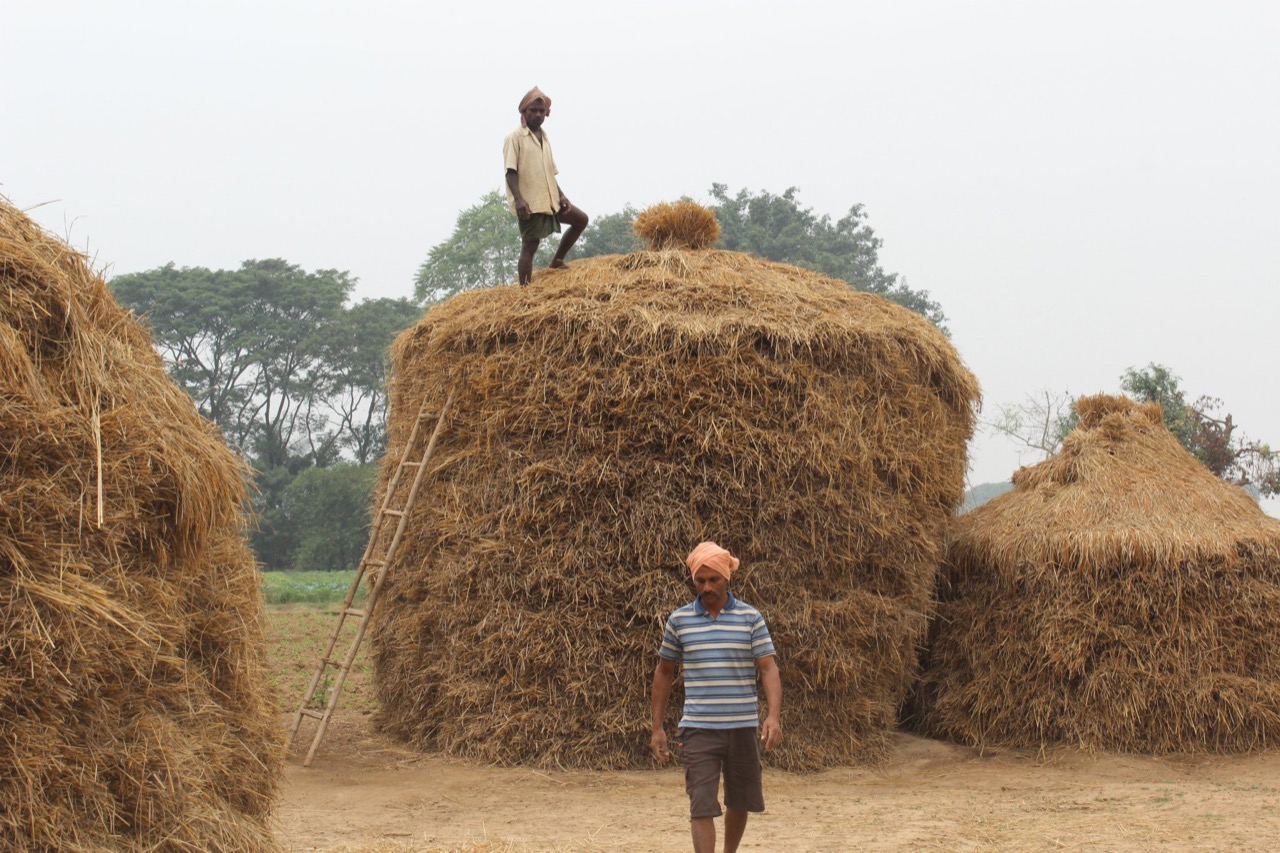
I will be brief here, because the people closest to me value their privacy. I married. We had children. My wife built a life around the constant relocations, the unsocial hours, the on-call nights that arrive like weather. She is the reason any of the rest of this was possible.
2008 onwards
Capital Hospital, Bhubaneswar
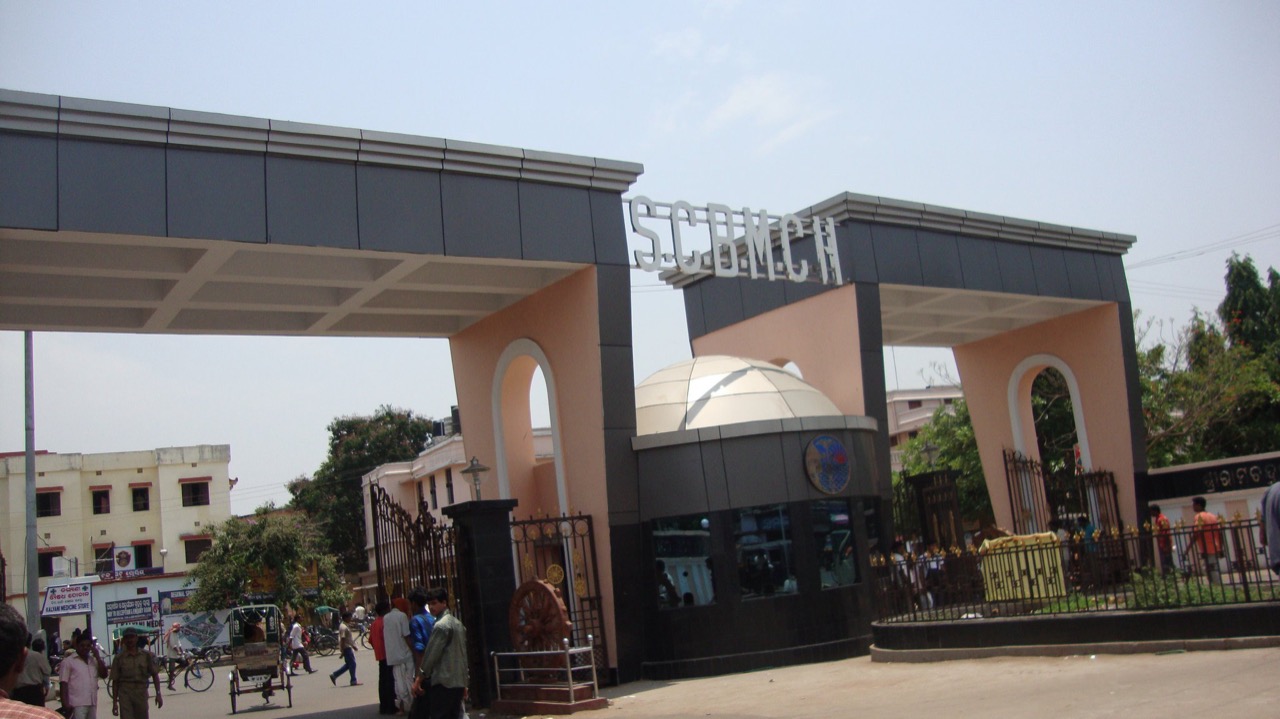
A tertiary government hospital in a state capital is where the rest of the state’s health system points its hardest cases. The longer I worked there, the more I understood that the problems I had encountered in district hospitals were not district problems. They were system problems. If you wanted to fix any of it at scale, you had to fix it at the level where the rules were written. The rules were not written at the bedside.
2011 onwards; 2022–2024 as President
OMSA: Secretary, then President
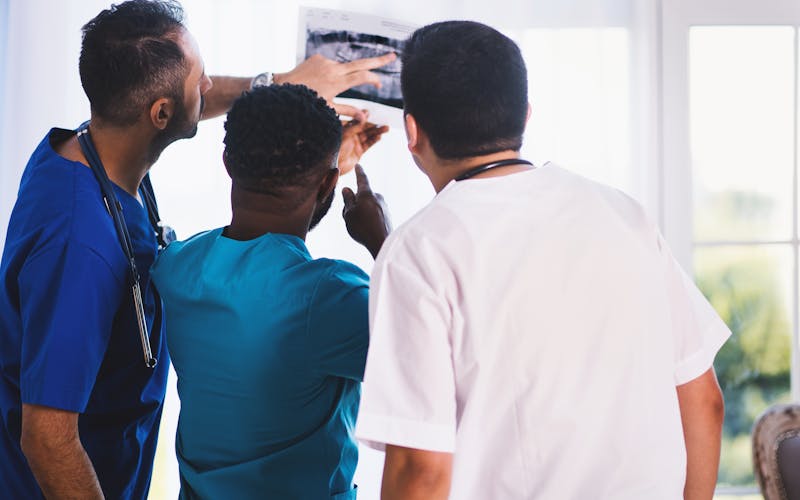
The work taught me that institutional reform is a slow, unglamorous business. You hold a position. You make a case. You make it again. You make it for years. And then, sometimes, the case becomes policy. The DACP campaign is the example I will be remembered for, if I am remembered for anything. The lesson I carry from it: patient, honest advocacy from inside the system is possible. It just takes longer than anyone wants.
Reform from within is possible. But only when the people making the case understand the system from the inside and refuse to let the argument be simplified.
Throughout
A Surgeon, Still
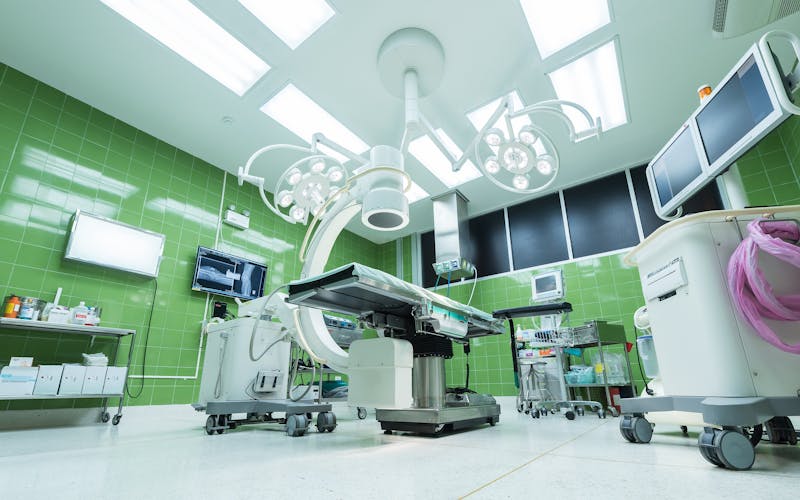
Through every chapter of this story, the operating theatre has been the constant. I have not stopped operating because I became an administrator, an advocate, a writer, or a public person. The day I stop operating will be the day someone retires me from the work, not the day I retire from it.
2026
The Decision
I have spent thirty years accumulating a particular kind of knowledge — knowledge of what Odisha’s public health system looks like from the inside: the ward rounds, the supply chain failures, the career decisions that determine whether good doctors stay or leave, the policy choices that look reasonable on paper and collapse in practice.
For most of that time, this knowledge stayed inside the system. It informed clinical decisions. It shaped the arguments OMSA made. It guided what I chose to fight for and what I chose to let go.
I am making a different decision now. I am putting it in the open — through this site, through writing, through whatever public conversation I am able to contribute to. Not because I have all the answers. Because the questions are too important to stay inside the hospital.
This site is the beginning of that.